Navigating Canada's Updated Study Permit Requirements for 20

Explore changes in Canada's study permit requirements for 2026 and how international students can navigate them effectively.
Canada immigration International Students study permit

Canada's study permit landscape is evolving, especially with the recent announcement that Quebec will triple the proof of funds requirement for study permits starting in 2026. This change marks a significant shift aimed at ensuring international students have adequate financial resources to support their education and living expenses. Understanding these new requirements is crucial for prospective international students planning to study in Canada.

Understanding the Increased Proof of Funds Requirement

The decision to increase the proof of funds requirement is primarily driven by the need to ensure that international students can sustain themselves financially while studying in Canada. The requirement, which will be implemented in Quebec, is part of a broader strategy to align with Canada's immigration objectives and ensure a successful academic experience for international students.

International students must demonstrate their ability to cover tuition fees, living expenses, and return transportation. This financial proof is a critical component of the study permit application process and is assessed to ensure that students will not face financial hardship during their stay.

Implications for Prospective Students

The increase in financial requirements may deter some prospective students from applying, particularly those from regions with lower economic means. However, it also emphasizes the importance of financial planning and awareness among applicants. Students should explore available scholarships and financial aid options to offset these increased requirements.

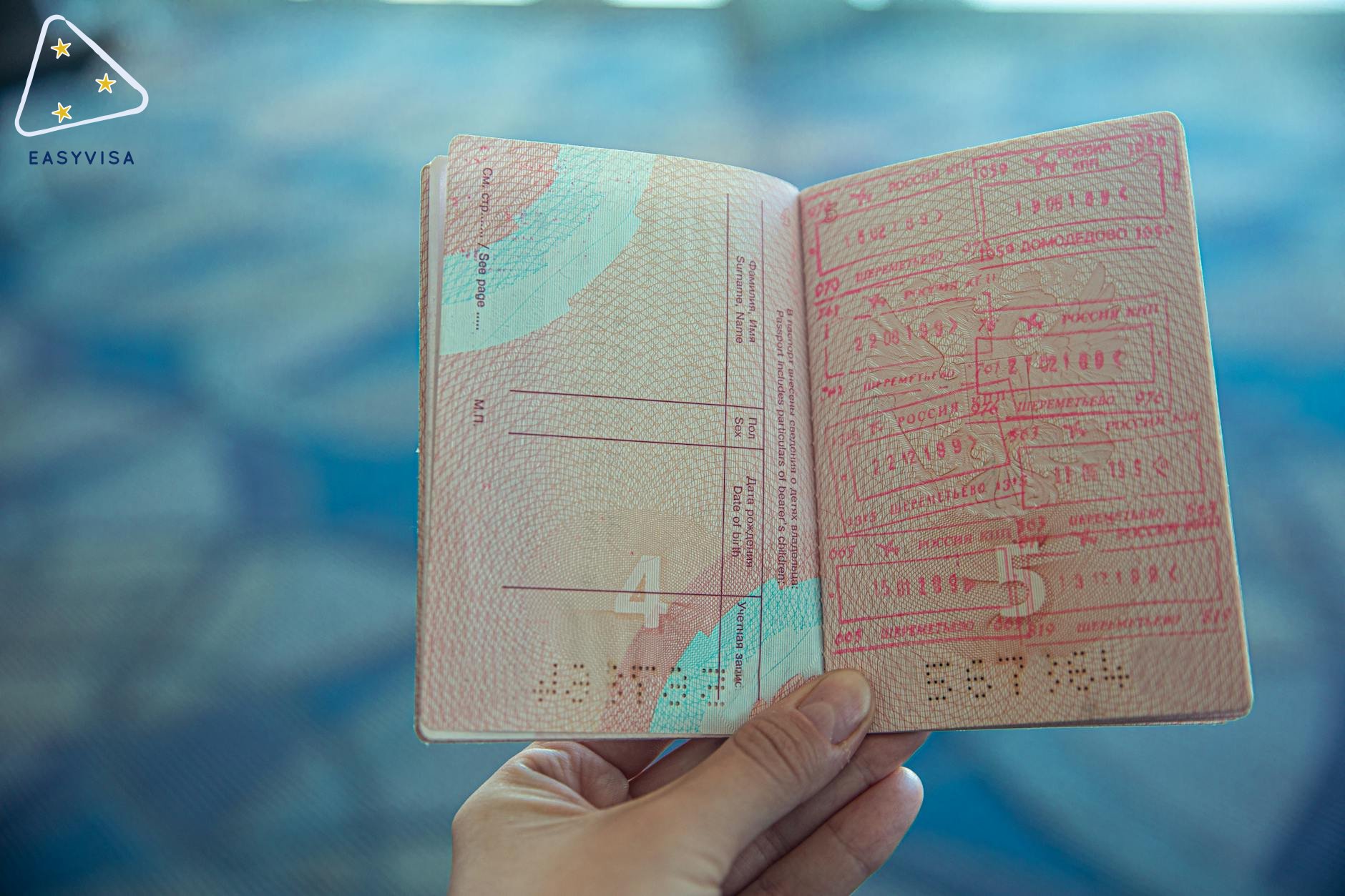
passport documents
Photo by Vlada Karpovich on Pexels

Strategies to Successfully Obtain a Study Permit

Securing a study permit requires meticulous preparation and understanding of Canada's immigration policies. The following strategies can help prospective students navigate the application process effectively:

  • Research Thoroughly: Familiarize yourself with the specific requirements of your chosen province or territory, as they may vary.
  • Financial Planning: Ensure you have a solid financial plan that covers tuition, living expenses, and other associated costs.
  • Seek Professional Guidance: Consider consulting with immigration consultants or educational advisors who can provide expert advice and support.
canada immigration office
Photo by Claudia Solano on Pexels

Role of Educational Institutions

Canadian educational institutions play a pivotal role in guiding international students through the permit application process. Many institutions offer resources and support services to help students understand and meet the requirements. Engaging with these resources can significantly enhance a student's chances of obtaining a study permit.

Conclusion

As Canada continues to evolve its immigration and educational policies, prospective international students must stay informed about changes to study permit requirements. The increased proof of funds requirement in Quebec represents a significant shift, emphasizing the need for adequate financial planning. By understanding these changes and utilizing available resources, students can navigate the application process more effectively and increase their chances of a successful study experience in Canada.

In conclusion, thorough preparation, financial planning, and leveraging institutional resources are key to successfully obtaining a study permit in Canada. As the 2026 changes approach, staying informed and proactive will be crucial for international students aiming to pursue their educational goals in Canada.

airport terminal
Photo by Adrian Agawin on Pexels

Comments (2)

P
Priya Sharma
2025-11-23 13:02

Interesting insights! I'm curious, how do these changes impact international students already enrolled in programs?

S
Sarah Chen
2025-11-23 13:02

Great info here! Just wondering, will this new proof of funds rule affect current students as well?

Leave a Comment

Frequently Asked Questions

Starting in 2026, Quebec will triple the proof of funds requirement for international students applying for study permits. This significant change means that students must demonstrate they have sufficient financial resources to cover not only their tuition fees but also living expenses and the cost of returning to their home country. The aim is to ensure that students are financially stable during their studies, reducing the risk of financial hardship that could impact their education. Prospective students should prepare to provide bank statements, scholarship letters, or other financial documentation that clearly outlines their available funds. It's advisable to start gathering this information well in advance of the application process to avoid any last-minute complications.
International students can prepare for the increased proof of funds requirement by carefully assessing their financial situation and planning accordingly. First, review the new financial thresholds once they are officially released and determine how much money you will need to demonstrate. This includes tuition, living expenses, and travel costs. Next, consider opening a Canadian bank account if you have funds that can be transferred, as this can strengthen your application. Additionally, look into scholarships, grants, or part-time job opportunities that can help bolster your financial support while studying in Canada. Lastly, ensure all your financial documents are organized and up-to-date to facilitate a smooth application process.
The proof of funds requirement for international students covers several key expenses associated with studying in Canada. Primarily, it includes tuition fees, which vary depending on the institution and program. In addition to tuition, students must demonstrate they can cover living expenses such as rent, food, transportation, and health insurance. Typically, the estimated monthly living cost is around CAD 1,000, but this can fluctuate based on the city and lifestyle. Furthermore, students should account for return travel expenses to their home country at the end of their studies. By accurately calculating these costs and ensuring they have the necessary funds, students can present a strong application for their study permit.
The new proof of funds requirements in Quebec will take effect in 2026. This timeline provides prospective international students with ample notice to prepare their finances and gather the necessary documentation for their study permit applications. It is essential for students to stay informed about any additional updates or changes to the immigration policies or requirements, as these can impact their plans to study in Canada. Students should also consider reaching out to educational consultants or the admissions office of their chosen institution for guidance on navigating these changes effectively and understanding how they may affect their application process.
The changes in proof of funds requirements for international students align with Canada’s broader immigration goals by ensuring that students who come to Canada have the necessary financial stability to support themselves. This is crucial not only for their academic success but also for their overall experience in Canada. By implementing stricter financial requirements, the Canadian government aims to reduce the number of students who face financial difficulties, thereby enhancing the educational environment. Additionally, this initiative supports Canada’s objectives of attracting skilled international talent while ensuring that these individuals are well-prepared to contribute positively to the economy and society during and after their studies.

Rate this article

Average rating: 4.5 (0 votes)

Related Articles