Navigating the Canadian Citizenship Application Process: A C

Discover the complete process for applying for Canadian citizenship, eligibility requirements, and key timelines in this detailed guide.
Canadian Citizenship Immigration Process Citizenship Application

In an ever-evolving world, acquiring citizenship in a country like Canada can open doors to numerous opportunities. As Canada continues to refine its citizenship policies, understanding the application process becomes essential for prospective citizens. This article delves into the intricacies of the Canadian citizenship application process, offering insights for both general readers and SEO specialists.

The Path to Canadian Citizenship: Understanding Eligibility and Requirements

Applying for Canadian citizenship involves meeting specific eligibility criteria set by the Immigration, Refugees, and Citizenship Canada (IRCC). These criteria are designed to ensure that applicants are well-integrated into Canadian society. Key requirements include permanent residency status, physical presence in Canada, proficiency in English or French, and knowledge of Canada’s history, values, and institutions.

The journey to citizenship begins with securing permanent residency, which is a prerequisite. Applicants must have lived in Canada for at least 1,095 days during the five years before applying. Additionally, language proficiency is crucial, as applicants aged 18 to 54 must demonstrate their ability to communicate in either English or French. This can be evidenced through language tests such as the IELTS or CELPIP.

Moreover, applicants must pass a citizenship test that assesses their knowledge of Canadian history and values. The test is typically in a multiple-choice format and covers topics from the official study guide, 'Discover Canada'.

Document Preparation and Submission

Gathering the necessary documents is a critical step in the application process. Applicants need to provide proof of permanent residency, language test results, and tax filing for the applicable years. Additionally, a detailed travel history is required to verify the physical presence in Canada.

Once all documents are ready, applicants can submit their application online or by mail. The IRCC provides a comprehensive checklist to ensure that all necessary documents are included. It is vital to review this checklist meticulously to avoid delays or rejections.

canada immigration office
Photo by Claudia Solano on Pexels

The Role of Discretionary Grants in Canadian Citizenship

In certain cases, individuals may apply for Canadian citizenship under discretionary grants. This pathway is designed for those who may not meet the standard requirements but have a compelling reason to be granted citizenship. Discretionary grants are evaluated on a case-by-case basis and are often subject to the discretion of the Minister of Immigration.

Applicants with Canadian grandparents or those who have contributed significantly to Canadian society may be eligible for this grant. The application process involves a detailed explanation of the applicant’s unique situation and why they should be considered for citizenship despite not fulfilling all standard criteria.

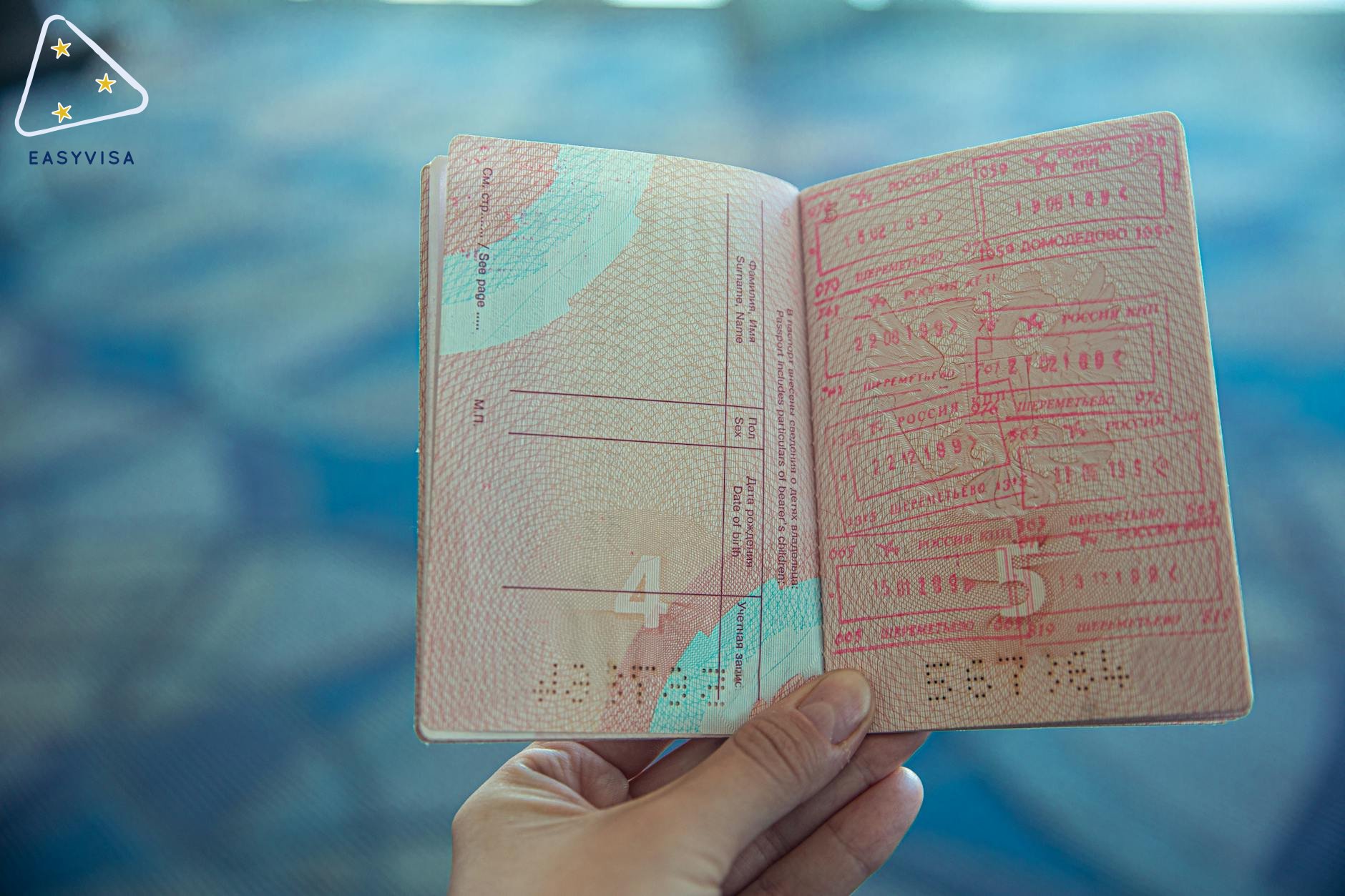
passport documents
Photo by Vlada Karpovich on Pexels

Recent Amendments and Their Impact

Recent legislative changes have aimed to expand and clarify the eligibility for citizenship through discretionary grants. These amendments address historical anomalies and aim to restore citizenship to individuals who unjustly lost it. As of the latest updates, the deadline for amendments to the Citizenship Act has been extended to January 2026, allowing more individuals to benefit from these changes.

It is essential for applicants to stay informed about these amendments as they can significantly impact eligibility and application procedures.

Conclusion: Preparing for the Canadian Citizenship Ceremony

The culmination of the citizenship application process is the citizenship ceremony, a moment of pride and celebration for new Canadians. This ceremony signifies the final step in becoming a Canadian citizen, where applicants take the Oath of Citizenship and receive their citizenship certificate.

Preparation for the ceremony involves understanding its significance and what to expect on the day. It is a public event where applicants declare their allegiance to Canada, often accompanied by family and friends. The IRCC provides guidelines to ensure that applicants are well-prepared for this significant day.

In conclusion, navigating the Canadian citizenship application process requires careful attention to detail, timely submission of documents, and staying informed about policy changes. By understanding the requirements and preparing adequately, applicants can successfully achieve their goal of becoming Canadian citizens.

airport terminal
Photo by Adrian Agawin on Pexels

Comments (2)

R
Ryan
2025-11-21 21:02

I’ve been thinking about applying for Canadian citizenship for a while, but the paperwork is just so intimidating! Your insights on the process have made it feel a lot more manageable. I’m definitely going to dive deeper into the resources you mentioned—thank you for sharing!

T
Tom Anderson
2025-11-21 21:02

This is just what I needed!

Leave a Comment

Frequently Asked Questions

To apply for Canadian citizenship, you must meet several key eligibility requirements set by Immigration, Refugees, and Citizenship Canada (IRCC). Firstly, you need to be a permanent resident of Canada, which means you have been granted the right to live in Canada indefinitely. Secondly, you must have physically lived in Canada for at least 1,095 days (three years) out of the last five years before applying. In addition, you need to demonstrate your proficiency in either English or French, which can be proven through standardized tests or educational credentials. Lastly, applicants must also show knowledge of Canada’s history, values, institutions, and rights and responsibilities of citizenship, typically assessed through a written test or interview. Meeting these requirements is crucial for a successful application, so ensure that you gather all necessary documentation and evidence to support your claims.
The physical presence requirement is a critical aspect of the Canadian citizenship application process. To qualify, you must have been physically present in Canada for a minimum of 1,095 days (about three years) within the five years preceding your application. This period includes time spent as a permanent resident, and certain days spent in Canada as a temporary resident or protected person can also count towards this requirement. It’s important to keep accurate records of your time spent in Canada, as you will need to provide this information when applying. For example, if you were outside Canada for extended periods, you’ll need to explain the reasons and provide documentation. Using the Citizenship Calculator tool provided by the IRCC can help you track your days of presence accurately. Failing to meet this requirement can result in delays or denial of your application.
When applying for Canadian citizenship, you must submit a comprehensive set of documents to support your application. Key documents include proof of permanent residency, such as your PR card or confirmation of permanent residence. You’ll also need to provide identification documents, like your passport, and any travel documents that show your time spent in Canada and abroad. Additionally, evidence of language proficiency is required; this can be demonstrated through standardized test results or educational diplomas. Documents proving your knowledge of Canada, like a citizenship study guide or proof of completion of a Canadian educational program, may also be necessary. It’s crucial to ensure that all documents are complete and up to date, as missing or incorrect information can lead to processing delays or application denial. Refer to the IRCC’s official website for a detailed list of required documents tailored to your specific situation.
After submitting your Canadian citizenship application, the IRCC will begin processing it. You will first receive an acknowledgment of receipt, confirming that your application is in the system. The processing time can vary significantly, typically ranging from a few months to over a year, depending on various factors such as the volume of applications and the complexity of your case. During this time, the IRCC may request additional documents or information if needed. Once your application is processed, you will be scheduled for a citizenship test and interview, which assesses your knowledge of Canada and your language abilities. If successful, you will receive an invitation to attend a citizenship ceremony, where you will take the oath of citizenship, officially becoming a Canadian citizen. It’s essential to monitor your application status online and respond promptly to any requests from the IRCC to ensure a smooth process.
Having a criminal record can affect your eligibility for Canadian citizenship. When you apply, you'll be asked to disclose any criminal history, which the IRCC will consider during the assessment of your application. If you have been convicted of a crime, especially those considered serious, you may be deemed inadmissible to Canada, which can prevent you from obtaining citizenship. However, if you have completed your sentence, including any probation or parole, and a certain amount of time has passed since your conviction, you may still be eligible to apply. It's crucial to understand that minor offenses might not necessarily disqualify you, but serious convictions could lead to a denial. Consulting with an immigration lawyer can provide clarity on your specific situation and help you navigate the application process effectively.

Rate this article

Average rating: 4.5 (0 votes)

Related Articles