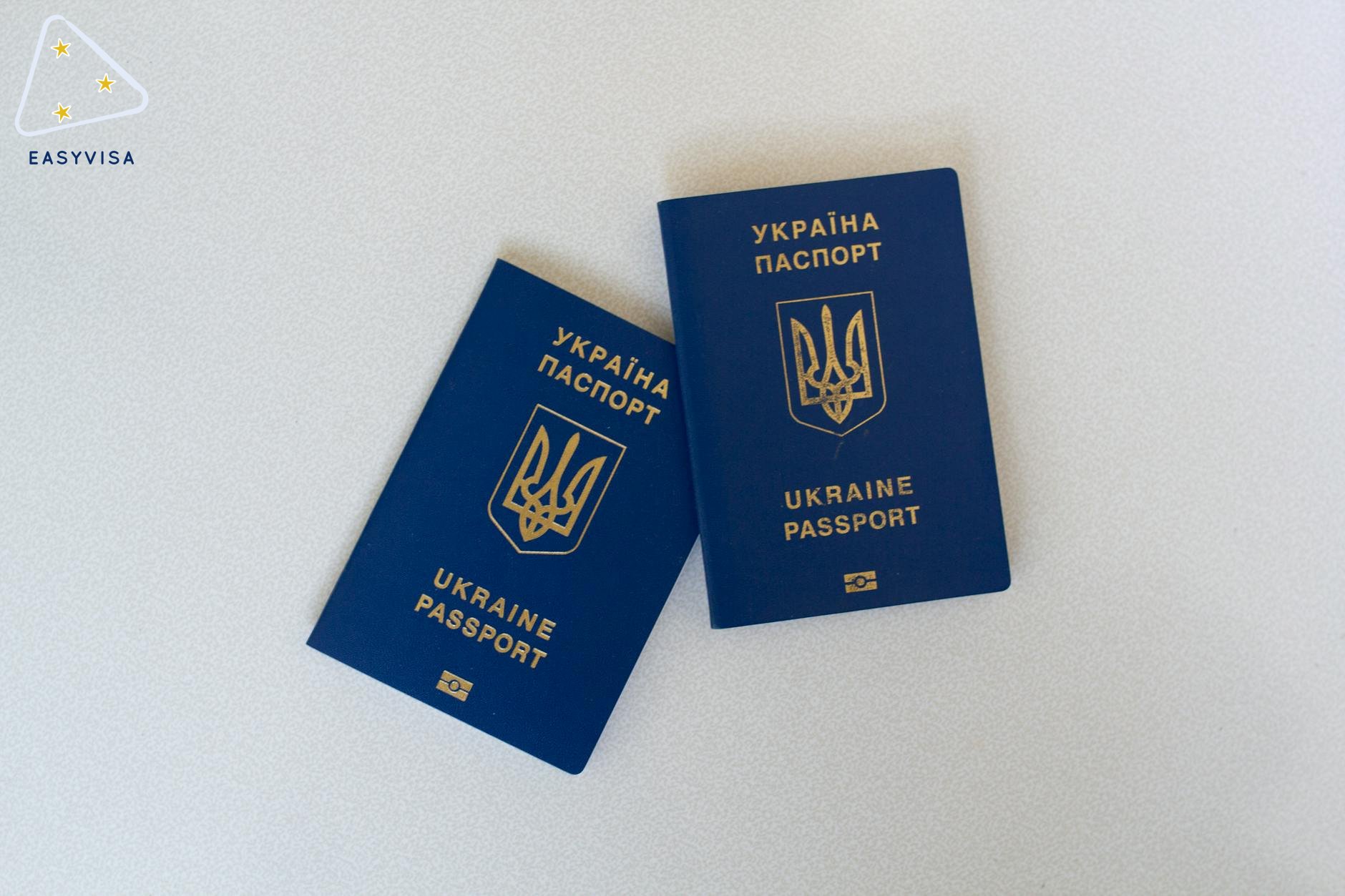
The Government of Saskatchewan has announced a significant extension of its tuition relief program for Ukrainian post-secondary students, a move that underscores the province's commitment to supporting displaced individuals seeking educational opportunities. This initiative, which allows eligible students to pay domestic rather than international tuition fees, will continue until March 31, 2030. As the only province in Canada offering such comprehensive support, Saskatchewan serves as a beacon of hope for many students who arrived under the Canada-Ukraine Authorization for Emergency Travel (CUAET) program.
Understanding the Canada-Ukraine Authorization for Emergency Travel Program
The Canada-Ukraine Authorization for Emergency Travel (CUAET) program was established as a response to the ongoing conflict in Ukraine, providing a pathway for Ukrainians to seek refuge and new beginnings in Canada. Under this federally regulated program, Ukrainian nationals can apply for temporary residency, allowing them to settle in Canada and access various services, including education.
However, those entering Canada under CUAET are typically categorized as international students, which comes with the burden of higher tuition fees. The financial implications of such fees can be daunting, especially for families already coping with the challenges of displacement and resettlement. Saskatchewan's decision to offer domestic tuition rates alleviates this burden, making education more accessible and affordable for Ukrainian students.

The Impact of Tuition Relief on Ukrainian Students
Since its inception in 2023, the tuition relief program has significantly impacted Ukrainian students' lives, offering them stability and a sense of belonging in a new country. By extending the program until 2030, the Saskatchewan government ensures that these students have the opportunity to complete their education without financial hindrance, allowing them to focus on their academic and personal growth.
Advanced Education Minister Ken Cheveldayoff highlighted the transformational effect of tuition relief, noting that it provides students with the encouragement and support needed to pursue their educational goals. For many, this program has been the deciding factor in their ability to enroll in and complete post-secondary education.
Community and Government Support
The extension of the tuition relief program has been met with widespread approval from both the Ukrainian community and provincial government representatives. The Ukrainian Canadian Congress of Saskatchewan, represented by President Elena Krueger, has expressed gratitude for the continued support, emphasizing the program's lasting impact on young Ukrainians navigating extraordinary challenges.
By investing in the education of displaced Ukrainians, Saskatchewan not only enhances the students' potential but also contributes to the broader goal of societal integration and recovery. The program fosters a partnership between the provincial government and the Ukrainian community, promoting dialogue and mutual understanding.

Looking Towards the Future
With the program's extension, Ukrainian students currently registered under CUAET can immediately benefit from the reduced tuition rates. The continuation of this support until 2030 provides a sense of security and optimism for students like Anton Merzliakov, a University of Regina student, who shared his personal experience of how the program made university education attainable.
The Government of Saskatchewan plans to conduct a review in 2029 to assess the ongoing need for tuition relief, ensuring that the program remains relevant and impactful. This proactive approach reflects the province's dedication to addressing the evolving needs of its diverse student population.
Conclusion: A Commitment to Educational Accessibility
Saskatchewan's tuition relief program for Ukrainian students stands as a testament to the province's commitment to educational accessibility and support for displaced individuals. By extending domestic tuition rates to those under the CUAET program, the province not only eases financial burdens but also empowers students to pursue their dreams and contribute to society. This initiative is a powerful example of how targeted government support can transform lives and communities, fostering hope and resilience in the face of adversity.
As the program continues to develop, it will be essential for stakeholders to maintain open communication and collaboration, ensuring that the needs of Ukrainian students are met effectively. With the potential for program expansion and adaptation, Saskatchewan's approach could serve as a model for other regions seeking to support vulnerable populations through education.